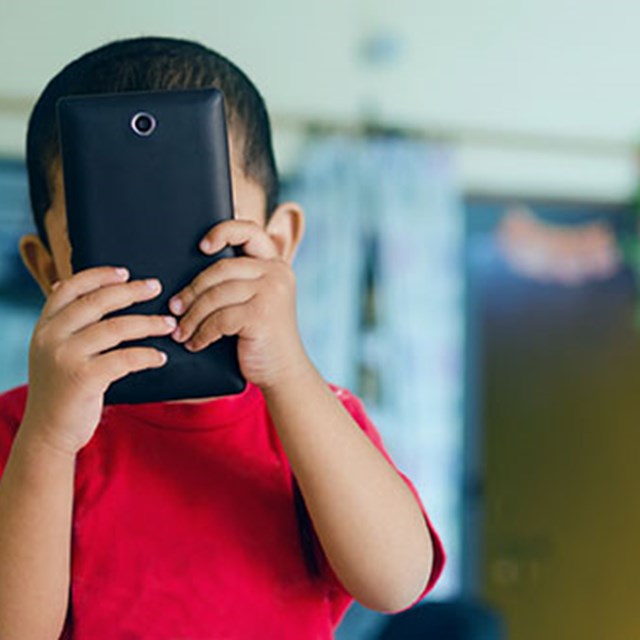


Many human interactions, from work-related meetings to school classrooms, have moved online. Even when we do meet face-to-face, a third wheel often tags along: an electronic device.
Elementary school has changed in lots of ways. Today, students are often exposed to concepts far earlier than their parents were. Students are also expected to meet elevated standards of achievement. One of the areas with increased focus is math.
Daily physical activity matters from birth. Even in their earliest days, infants and toddlers are already learning through their experiences and developing the gross motor, emotional and cognitive skills they’ll use throughout life.
Reading is critical to healthy child development. There’s just no questioning the fact. Even when newborns can’t understand what you’re saying, they absorb your voice’s rhythm and inflections. Babies with caregivers who regularly speak to them have a vocabulary with around 300 more words than those who don’t. And reading — and seeing parents read — shows children that reading is fun.
School readiness is a term that’s gaining traction in early education circles. While not a new concept, much of the discussion is about what exactly makes a child school ready.
Few things will induce parental guilt quite like food. More specifically, parents worry a lot about what their child eats — or refuses to eat— just about every day whether their child is a toddler or a tween.